May 25, 2026 · 9 min read
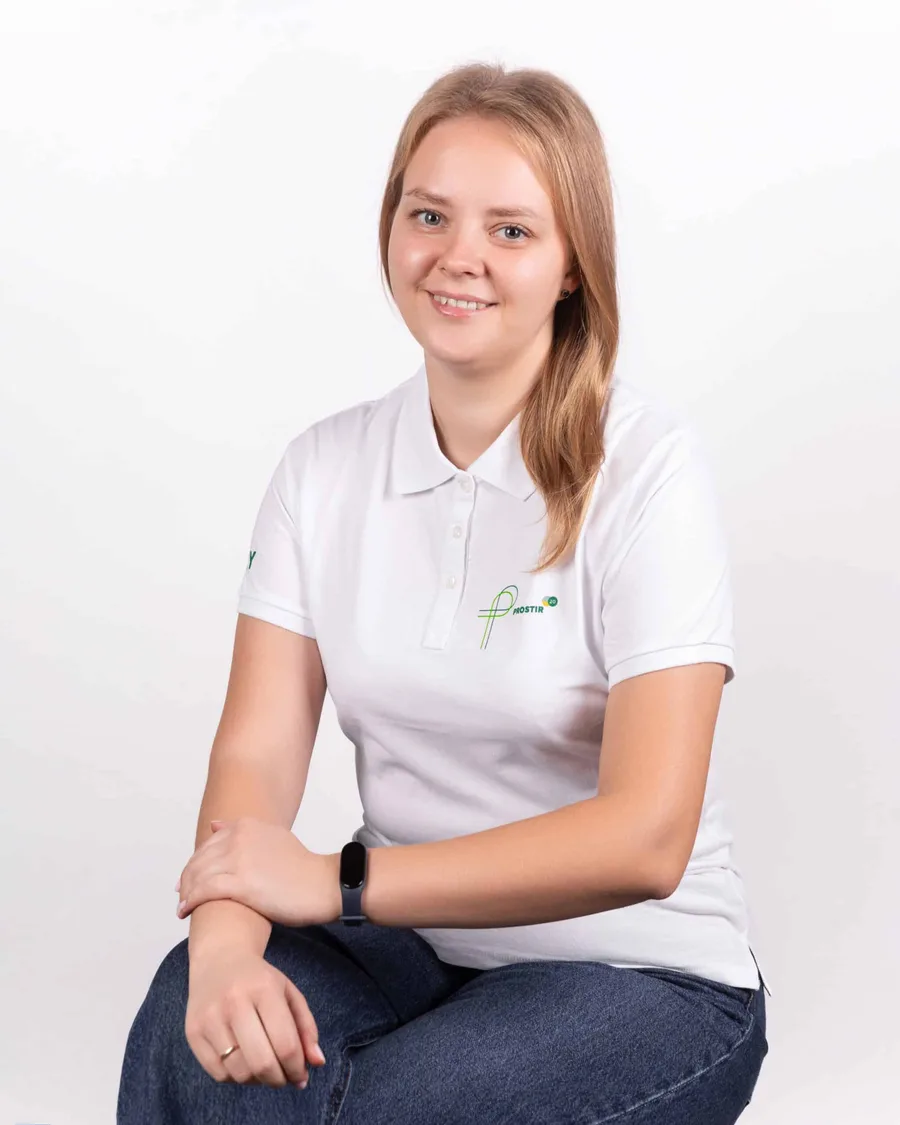
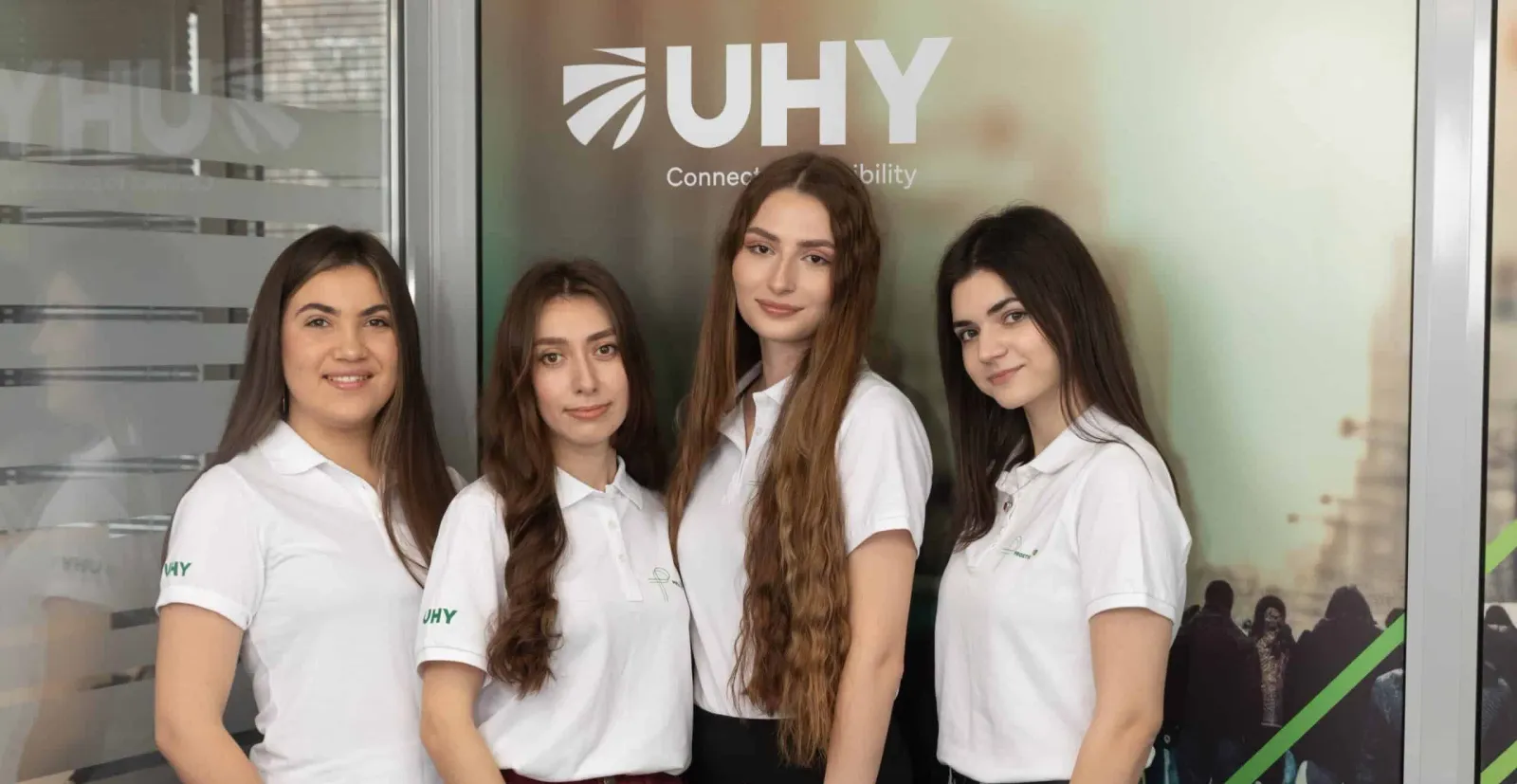
A young team, open communication and real room for professional growth — these are the advantages of working at UHY Prostir that Viktoriia Drozd values most. She joined the company as an assistant; today, as a Project Manager, she leads the largest and youngest team in the accounting outsourcing practice.
In this interview, Viktoriia talks about her career path, her move into a leadership role, her principles of team management and the approaches that help create an atmosphere of trust, support and continuous development. We also discussed the qualities that help young professionals grow faster, why openness to new opportunities matters and what makes UHY Prostir a comfortable place to build a career.
Viktoriia, before joining our team you already had experience at other companies. What convinced you to choose UHY Prostir?
It was important to me to join a company where I could not only do my job well but also influence processes and keep developing professionally. At UHY Prostir I immediately sensed a combination of strong expertise, open communication and genuine support for people’s growth. The atmosphere in the team, and in the company as a whole, also struck a chord with me.
What were your first impressions of the team and the processes when you joined UHY Prostir?
I was struck right away by how open the team was and how willing colleagues were to help and share what they knew. Despite the sheer amount of new information, I felt supported from my very first days. I also remember the friendly atmosphere and people’s genuine interest in a shared result.
What helped you settle in quickly?
First and foremost, my colleagues’ openness and their readiness to answer even the simplest questions. The company’s culture played a big part too: here it is completely normal to double-check details, ask questions and put forward your own ideas.
You have gone from assistant to Project Manager. Which stages of that journey shaped you most?
One turning point came when I started being trusted to support clients on my own and coordinate individual processes. That was when I realized I could contribute not just through my own work but by influencing the team’s results more broadly.
Another important stage was the gradual widening of my responsibilities and my first management duties. Supporting colleagues, onboarding newcomers and organizing workflows changed the way I saw my role. I started thinking beyond my own tasks and paying attention to the team’s needs and the efficiency of our processes as a whole. That was when I truly felt ready for the next step.
In your view, what helps specialists grow professionally at UHY Prostir?
Above all, people here genuinely get the chance to try new things and develop. If someone shows initiative, is ready to take responsibility and is willing to go beyond routine tasks, it gets noticed and supported. The variety of projects and tasks matters too, as does constant contact with experienced colleagues you can learn from.
Were there moments when you were given more responsibility than you expected? How did you handle it?
Yes, definitely — but I saw those moments above all as a sign of trust from management and colleagues. That trust motivated me to grow, pick up new skills faster and step outside my comfort zone. With every new responsibility I became more confident in my abilities and gradually felt ready to take on even more.
When did you realize you were ready to move into the Project Manager role?
Probably when I started looking at work more broadly than through the lens of my own tasks. I became more and more interested in how the team’s processes were organized, how people worked together and what could be improved for a better shared result. At some point I realized I wanted not just to do my part but to help organize the processes and develop the team as a whole.
What did you expect from the Project Manager role? What turned out as expected, and what surprised you?
I expected the role to involve a lot of communication, organizing work and supporting the team — and that really is a large part of the job. Over time, though, I understood how much a Project Manager depends on flexibility and the ability to react quickly to change. I was also pleasantly surprised by how much of the role is about working with people and creating a comfortable atmosphere in the team.
Was there a moment when you truly felt like a PM?
Yes. Probably when I realized the team was looking to me for support and decisions. At that moment I understood I was responsible not only for the projects but for the people and the atmosphere in the team.
You lead the largest and youngest team. Does that shape your approach to management and communication?
Absolutely. A young team especially needs support and a flexible, considerate style of management. That is why I put so much emphasis on openness and on being approachable. I try to create an environment where people are not afraid to ask questions or talk about difficulties.
It is also important to me to explain not only what needs to be done but why it should be done that way. At the same time, I see the team’s youth as a major advantage. We find a common language easily, and younger colleagues often spot the processes that need improving.
Are there principles or approaches you consciously build into your team?
Openness in communication and mutual respect matter enormously to me. I firmly believe problems should be discussed straight away rather than left to pile up. Another key principle: it is perfectly normal not to know something at the start — what matters is being willing to learn and look for answers.
Our team’s processes are also interconnected and shared between different people. That not only helps organize the work effectively but encourages people to communicate and collaborate.
How does your team handle mistakes or difficult situations?
If something goes wrong, our focus is not on finding someone to blame but on understanding the cause and thinking about how to avoid the same situation in the future. When people are not afraid of making mistakes, they develop faster, communicate more openly and find it easier to ask for help when they need it.
What does a comfortable work environment mean to you, and how do you create it in your team?
For me, a comfortable environment is one where people feel free to ask questions, suggest ideas and speak openly about difficulties. I try to maintain a culture of mutual support, where the team works as a single system rather than everyone for themselves.
It also matters to me that our conversations are not limited to work. I am genuinely curious about what people care about and what inspires them outside the office, because that too helps us understand one another better and build a stronger team.
In your view, what helps young specialists unlock their potential at work?
Support and trust. When people get the chance to try, to make mistakes and to gradually take on more responsibility, they grow much faster.
Regular feedback and involvement in more complex processes are just as important. When people feel supported and know they are not facing new challenges alone, confidence comes more easily. Over time such tasks become routine, and independence grows naturally, without undue pressure.
What kind of people do you think feel most at home at UHY Prostir?
People who enjoy growing, are not afraid of new challenges and are ready to take the initiative. There are plenty of opportunities here to learn, develop professionally and get involved in different processes, so initiative and openness to new experience count for a lot.
What sets UHY Prostir apart as an employer?
I think one of the main differences is the combination of professionalism and a comfortable atmosphere in the team. High professional standards here go hand in hand with support, good communication and genuine opportunities to grow.
Which qualities help people grow out of assistant roles faster?
Initiative, a willingness to take responsibility, constant learning and staying open to new opportunities.
What does a “successful start” at the company look like from your perspective?
To me, a successful start is when a person is not afraid to dive into the work, ask questions and gradually become part of the team. Nobody expects newcomers to know everything at once. Curiosity, openness to new experience and a desire to grow matter far more.
What helps you recover after intense periods at work?
What helps me most is properly switching off. That can be a run, stretching, time with the people I love, a walk around the city or a creative workshop. It clears my head and takes the stress level down.
Over time I have also learned how important it is to let yourself slow down now and then. In work like ours, with its constant hard deadlines, such pauses help you recharge and come back with fresh focus.
What motivates you most in your work right now?
What really drives me is watching the team grow. It is incredibly inspiring to see people develop professionally, become more confident and take on new tasks. I am also motivated by the sense that together we are building processes that genuinely work and make the team more effective.
Which recent moment in your team’s work has stayed with you the most?
Probably the moments when the team went through extremely intense periods and still stayed united. For me that is one of the best examples of real teamwork — people supporting one another and moving toward a shared goal even when things are hard.
Interviewed by Kateryna Bohdan